
 This is a translation version of the original video documentary which was than transcribed and translated from Bengali to English. A book with the title of History of Bangladeshis in Greater Manchester has been published and it will be distributed to the libraries, schools and universities. The interview took place on 4th July 2010, so information about his personal family information may have been changed.
8.6 Alhaj Johur Uddin
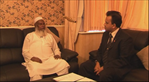
8.6.1 Life in Bangladesh:
Alhaj Johur Uddin was born in 1938 in the village of Shahbajpur, Bishwanath, Sylhet. His father’s name is Late Md. Rahath Ullah. He has 8 brothers and sisters and he is the eldest, his father used to maintain the family from agricultural work. Also his Uncle was in Britain and he used to work on a board ship and he settled in Britain.
They all used to stay together; most of the families in the village were very poor except 7-8 families, he passed primary education from his local school in Shahbajpur and then he went to Khujkipur High School in Balagonj. When he was at class 7 education he finished his education.
8.6.2 Journey to the UK & Immigration:
Md. Johur Uddin came to Britain in February 1962; his Uncle prepared everything for him to come to Britain. His Uncle sent a letter with an address to go to Dhaka and with contact information and more information about going to Britain. They told him to come again with a photo and passport. At that time they didn’t need a Visa to come to Britain; they only needed a Passport to come to Britain.
He booked his ticket to come to Britain from Sylhet. When he came to Britain he started work on the next day.
8.6.3 Life in the UK:
At first he did not like life in Britain because he didn’t know how to speak the language. His grandfather used to live in Halifax and work there, his grandfather managed to get a job in this factory which his grandfather used to work at. It was an engineering factory in north Halifax. He worked there for 2 years. First he used to get 7-8 pound per week as a learner.
In 1976 he came to Hyde and there was about 15-20 Bangladeshi families living in Hyde. Since he came people have started to come and live in Hyde. At the moment 7-8 hundred Bangladeshi families are living in Hyde, about 6-7 thousand people are living in Hyde. There was a restaurant called ‘Dhaka Intercontinental’ and Grocery shop in Market Street in Hyde and the owner was Bangladeshi.
In 1962 1/2 Bangladeshi people were able to speak English; if certain Bangladeshi people couldn’t understand English words they used to understand English by their sign language. That time British people were really helpful. They used to like Bangladeshi people. For example if anyone was lost or didn’t know how to get to their house then the person would show the address to the English person, then they used to take the person to their house address. It is very rare to this time generation.
In 1962 – 1963 during that time it was very cold in Britain. It used to snow very much. He used to live in Halifax that time. It started snowing when he was going to his uncles’ house to give him his wages. That night he stayed in his uncle’s house and it was snowing all night. After that day when he went to bus station and saw bus but it wasn’t moving because of snow. He stood there for 2 hours when finally the driver started to drive to Halifax. Then the bus had become stuck in the Halifax area because of snow. All the passengers were in the bus. Then the truck came and put sand on the road and the bus manages to go Halifax 7.30 at night. He said that time people used to use bus to go to work or anywhere.
During the weekend he used to go to public bath to have bath and he used to play cards, chest and etc. Also they used to go to cinema to watch Indian and Urdu films, on Sundays. That time they used to have a cinema in that area, they all used to like to watch films at the cinema; they used to go to cinema in the evening. When they used to finish watching cinema then they used to get prepared for cooking. The next day some people used to have to work at night or in the morning. He used to take his lunch or dinner with him to work, during summer holiday he went to Black pool and Southport from his company.
8.6.4 Employment:
He used to work 5 days including 4 hours on Saturday. His wages was 10 pound and 50 pence. He used to do various work in that factory like using drill machines, sanding machines or melding. He used to like working there; he never thought it was too hard. His Uncle used to live there. During the work in Halifax he used to live with his grandfather and Uncle, he worked there for two years and then he went to Bradford textile mill where his other Uncle used to live.
When he first came to Britain he stayed 1 or 2 days with his Uncles. His grandfather found a job for him in Halifax; he went to Halifax and lived with his grandfather and Uncle. After trying hard he found a job in Bradford textile mill. Weekly he used to get 18 pound, that time he used to live with his other Uncle. He worked there for 2 years; He used to look for good jobs and good salary.
Then he found another job in a factory in Show bridge town. They used to work in 3 shifts. Job routine was if you work 5 days in a day shift then you get 3 days off and if you work in a night shift then you get 3 days off after. He used to work 1 week day shift and 1 week night shift. It was good, per week he used to get 19-20 pound. He used to do welding, spinning and doubling in that factory, about 7 years he worked in that factory.
During the work in that factory he used to look for different jobs and good wages. Then he found another job in James Turner factory. After 3 months he went to Benson Turner, during the work in the factory in 1969 he went to Bangladesh. In 1970 he came back to Britain and found out that the factory was closed. Then he found another job in Hill Brothers Textile Mill in Bradford, he worked there for 4 years.
In 1977 he went to Bangladesh for Holiday. When he came back to Britain in 1978 he found out that most of the factories were closing down, during that time in Hyde his grandfather, brother and one of his uncles’ used to live there. He called his grandfather and brother and told them he was searching for a new job.
He came to Hyde to see them but the intention was to find a job. They told him to stay for that day so that he can go to their work place and meet some new people, they also said you can speak English and you are experienced worker which will make finding a job easier.
They told him “If you speak to the Manager then you might get a job” On the next day he went to the factory, he spoken to the Director of the factory and the Director said we need a person like you but not at the minute, we will let you know by phone. He then went to Bradford, after 3 days they called, the caller’s name was Mr. John and he said to Mr. Uddin that he can start work.
Then he came back to Hyde and started working. It was in 1978, the factories name was Kingston Mill and it was in Hyde. He came to live in Hyde and at the moment he is living in Hyde. He was Forman of the factory and he worked there till 1997 and he retired from there. That was his last job in Britain.
8.6.5 Housing:
He used to catch the bus to go to work when he was in Bradford. In Bradford he used to live in own house with his uncle. Before his uncle went to Bangladesh he put Mr. Uddin’s name on the house. It was 6 bedroom houses. His uncle bought this house for 600 pounds and he had to pay 150 pound deposit. He used to pay 10 shilling mortgages per month. That time if you rent out 1 bedroom then you can get 5 shilling per month. This is impossible now days. That time they used to have 10 shilling notes. He sold the house in Bradford when he came to Hyde.
That time there wasn’t radiators inside of the houses, they used to use Coal to warm the house. They used to warm water using Coal fire and the gas cooker, they also used to go to the public bath on Saturday to have bath. If they’re too many people in the public bath then it used to take time to have bath, otherwise it didn’t used to take time to have bath. He used to go to the public bath once a day during the week and he used to warm water to have shower at home.
People used to go to have bath in the public place after work; they used to pay 6 pence or 1 shilling to have bath in the public bath. That time everything was cheap. For example one packet cigarette was 1.6 pence which is 6 pound to this time. That time if the single person used to get 14-15 pound wages then they used to save 10 pound. But then it was impossible when their family was here.
8.6.6 Social & Family:
In 1959 he got married before he came to Britain. That time he had 3 daughters. After he came to Britain he went to Bangladesh a few times. Then he realized that other Bangladeshi people are bringing their families to Britain. In 1980 his wife, one son and one daughter came to Britain.
He has 2 sons and 6 daughters. His eldest sons and daughters got married. His eldest son owns a restaurant business. Another one of his daughters is studying in religious education and his youngest son is studying in college. In 1998 this successful gentlemen went to Makkah with his Mother to do Hajj.
In 1972 there was a Bangladeshi Welfare Association in Hyde but it was closed. They used to do meetings in Town Hall when it was started newly. Then it became a large association, 27 people used to work for the project. It was at 19 Chapel Street which is still there. He was involved with the association as Vice Chairmen for a long time. At the moment he is member of the Luncheon club and general member of the Mosque.
8.6.7 Independence of Bangladesh:
In 1971 during the war in Bangladesh Mr. Uddin used to do meetings, demonstrations and helped people in Bangladesh with money. Like other people he used to give all of his wages away to support the war in Bangladesh. Every week he used to go to London for meetings and demonstrations. When he used to work in a factory the Pakistani people used to work there and they would argue with Bangladeshi people.
Bangladesh had gotten Victory on the 16th December 1971. It showed on this information BBC channel. That time he finished work and was heading home. One Pakistani person was listening to the radio that Bangladesh has got the Victory and 93 thousand Pakistani people were arrested, after he heard the news he smashed the radio on the road.
That time he used to live in Bradford. Lots of Pakistani people used to live there but the Bangladesh people were not scared. That time 700-800 Bangladesh people used to live in Bradford. During the meetings and demonstrations they did not face any problems with the Pakistani people.
In 1971 they formed the ‘Shogram Porishod committee’ in Bradford. They didn’t think about themselves, they used to help raise awareness about the war and people in Bangladesh. All the Bangladeshi people used to give all their wages to war in Bangladesh. The only thing all the Bangladeshi people wanted is Victory of Bangladesh.
8.6.8 Conclusion:
Mr. Uddin retired in 1997. At the moment he is living with his family in Hyde. His father was in Britain but he went back to Bangladesh because he did not like Britain, he never came back to Britain. His father came to Britain in 1983 and he went back to Bangladesh in 1984. Mr. Uddin goes to Bangladesh to spend time with some of his family.
It was the last time he went to Bangladesh and he stayed there for 6-7 months. In 1972 he had gotten his British Citizenship. In Bangladesh he has 5 sisters, 1 brother and their family. At the moment he spends his free time with his grand children and sometimes he goes shopping with them. Mr. Uddin is an established gentleman in Britain and to our Community. He is an established person to our new generation. In his personal life he is really happy with his family.